
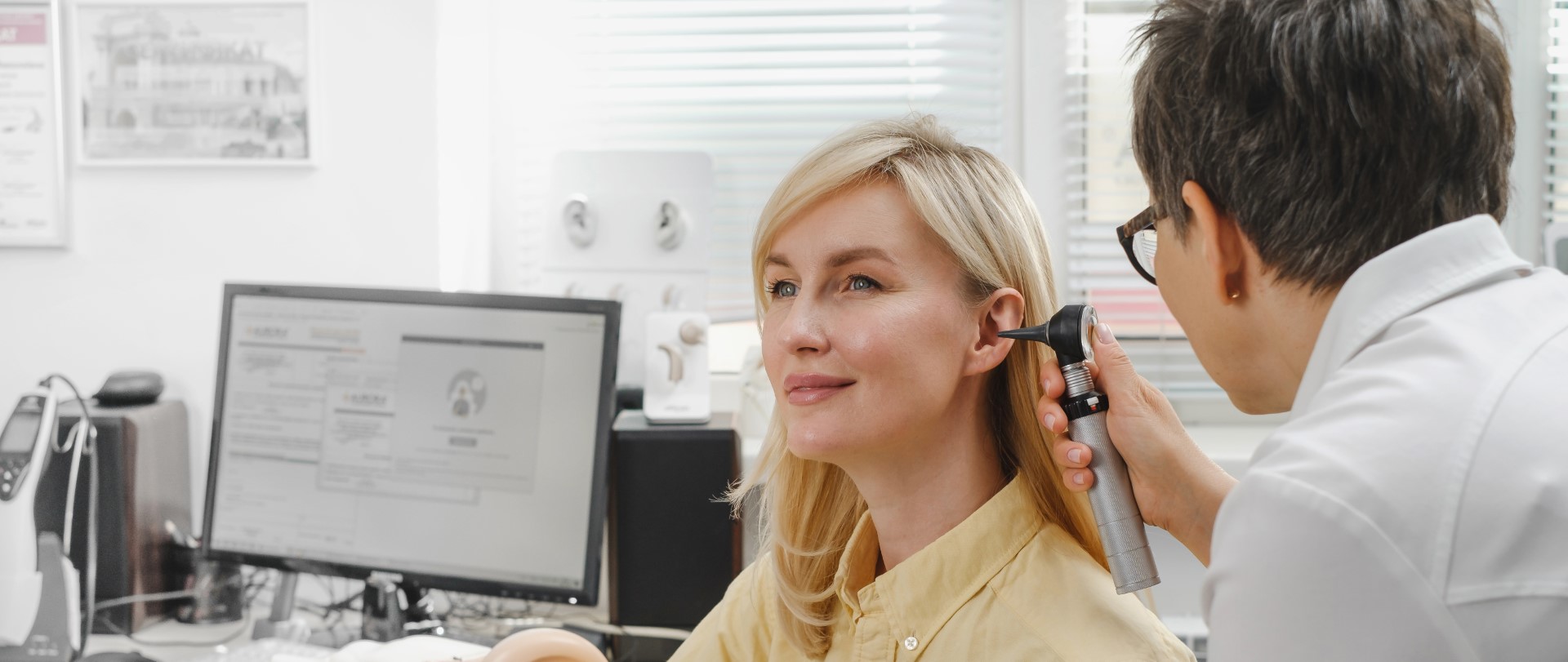
Better Hearing May Help Reduce Your Risk of Falls
Falls are one of the most common safety concerns as we age. According to the Centers for Disease Control and Prevention (CDC), 1 in 4 older adults experiences a fall each year—that’s more than 14 million people.
While many factors can contribute to falls, one surprising connection continues to gain attention: untreated hearing loss.
Research shows that untreated hearing loss can increase the risk of falling by 30%, and the more severe the hearing loss, the greater the potential risk.
So, how exactly are hearing and balance connected?
The Link Between Hearing Loss and Balance
Hearing plays a much bigger role in our daily lives than simply helping us understand conversations. Our ears provide important information that helps our brains stay aware of our surroundings.
When someone has untreated hearing loss, the brain must work harder to process sounds and fill in missing information. According to UC Health researcher and audiologist Laura Campos, this extra effort can leave “less cognitive resources available” to help with tasks such as navigating environments and maintaining awareness.
As a result, people with hearing loss may have more difficulty noticing important sounds around them, such as approaching vehicles, obstacles, or changes in their surroundings. This reduced awareness can increase the chances of trips, slips, and falls.
Hearing Aids May Help Improve Safety
The good news is that treating hearing loss may do more than improve communication—it may also help support balance and safety.
A recent study led by researchers at UC Health and published in the Journal of the American Geriatrics Society examined adults ages 60 and older with hearing loss. Researchers compared fall risk among hearing aid users and non-users, as well as those who wore their devices consistently versus those who did not.
The findings were encouraging:
- Adults who wore hearing aids had a 50% lower likelihood of experiencing a fall compared to those who did not wear hearing aids.
- Participants who consistently wore hearing aids for at least four hours per day had up to 65% lower odds of falling.
These results highlight an important takeaway: Treating hearing loss can help you hear better while also supporting greater awareness, confidence, and independence.
Take Steps Toward Better Hearing Today
Your hearing health is an important part of your overall wellness. If you’ve noticed difficulty hearing conversations, missing important sounds, or feeling less aware of your surroundings, a hearing evaluation may be the right next step.
A licensed hearing care professional can assess your hearing and help you explore solutions designed around your needs and lifestyle.
Better hearing can mean better connection, improved confidence, and greater safety in everyday life.
Find out what sounds you may be missing. Schedule a hearing consultation today.