
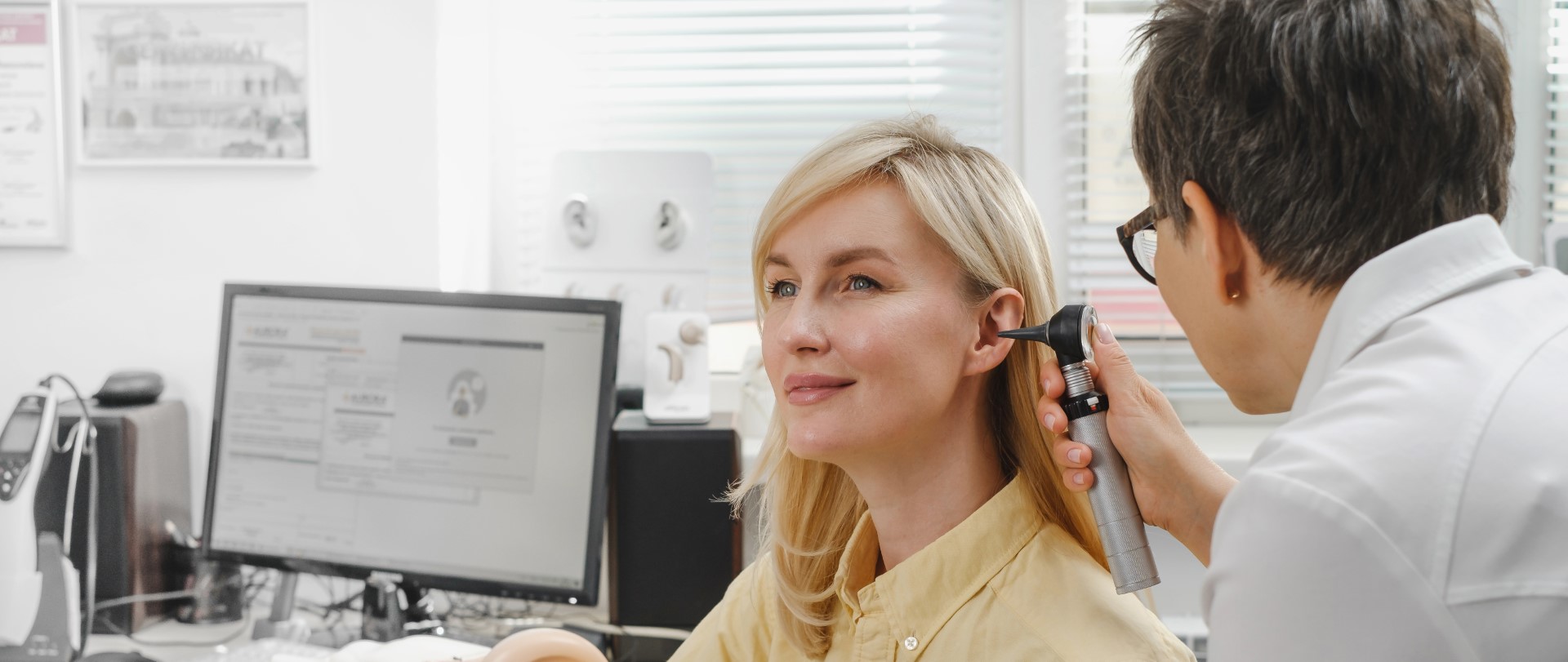
The Essential Role of Professional Expertise in Modern Hearing Healthcare
In an era where the options for obtaining hearing solutions have expanded to include online retailers and large-scale big-box stores, the value of professional, clinical care remains unparalleled. Managing hearing loss effectively requires more than just a device; it demands a personalized and expert approach tailored to the unique complexities of the human auditory system. Seeking guidance from a licensed hearing healthcare professional is the most effective strategy for ensuring that technology is optimized to meet an individual’s specific needs.
The Complexity of Individual Auditory Profiles
Hearing is a highly nuanced sense, and auditory impairment manifests differently in every individual. Because the experience of sound is subjective and unique, a generic, “one-size-fits-all” approach to treatment is rarely successful. The most effective outcomes are achieved through advanced hearing aids that are precisely fitted, programmed, and maintained by an experienced professional.
Hearing Aids as Precision Medical Devices
Contemporary hearing aids are sophisticated electronic instruments designed to operate reliably in the challenging environment of the ear canal. Much like other essential medical devices, such as corrective lenses or pacemakers, hearing aids are the clinically recommended intervention for hearing loss. However, the performance of these devices is heavily dependent on the expertise of the individual who configures them. A professional ensures that the technology provides optimal sound clarity and seamless connectivity while maintaining physical comfort for all-day wear.
The Clinical Advantage: Comprehensive Diagnostics and Personalization
A licensed hearing care professional offers a level of diagnostic depth and personalized consultation that mass-market options cannot replicate.
In-Depth Diagnostic Evaluation
A professional assessment utilizes specialized equipment to answer fundamental questions about a patient’s auditory health:
•What are the precise hearing thresholds across a wide range of frequencies?
•Is the hearing loss bilateral and symmetrical, or does it vary between ears?
•What is the specific classification of the loss (sensorineural, conductive, or mixed)?
Integrating Lifestyle and Personal Requirements
Beyond clinical data, a professional integrates the “intangibles” of a patient’s daily life into the treatment plan, including:
•Environmental Needs: Identifying the primary settings where improved hearing is most critical (e.g., quiet home life versus active social or professional environments).
•Lifestyle Integration: Assessing activity levels and specific feature needs, such as smartphone connectivity or rechargeable power options.
•Physical Considerations: Addressing dexterity, style preferences, and comfort.
Maximizing the Value of Your Investment
Hearing aids are a significant investment in one’s communication, social engagement, and overall quality of life. While professional care may require a higher initial investment than over-the-counter alternatives, it includes the expert consultation, personalized fitting, and ongoing support necessary for long-term success.
Decades of clinical experience and industry data confirm that hearing aids fitted and supported by skilled professionals lead to the highest levels of user satisfaction. Prioritizing expert care ensures that your hearing solution provides the reliability and clarity you deserve.
Schedule a professional hearing consultation today for a comprehensive diagnostic evaluation and a personalized treatment plan. Find out what sounds you may be missing by consulting with a licensed hearing care professional.