
Addressing Age-Related Hearing Loss: Statistics, Projections, and the Importance of Proactive Care
Age-related hearing loss is a common sensory shift that often accompanies the natural aging process. While many individuals accept a decline in hearing acuity as an inevitable trade-off for longevity, understanding the current statistics and future projections is essential for maintaining a high quality of life. This article explores the prevalence of hearing loss among older adults and the critical importance of taking proactive measures.
The Prevalence of Hearing Loss in Older Adults
The gradual decline in sensory perception is a well-documented aspect of aging. Current data indicates that approximately one-third of individuals between the ages of 65 and 74 experience some degree of hearing loss. This statistic highlights that auditory challenges are a shared experience for millions. Furthermore, the probability of developing hearing loss increases significantly as individuals continue to age beyond this range.
Future Projections and Societal Impact
The demographic landscape of the United States is undergoing a significant transformation. By the year 2060, the population of Americans aged 65 and over is projected to nearly double, increasing from 54 million in 2019 to approximately 95 million. This growth signifies a substantial shift in the communicative needs of the population.
Without proactive intervention, this increase could lead to a widespread rise in social isolation and communicative frustration. The potential for millions of individuals to miss out on shared moments and meaningful conversations underscores the urgency of addressing hearing health as a primary component of healthy aging.
Reclaiming Quality of Life Through Intervention
Addressing hearing loss is not merely a technical fix; it is a means of preserving the richness of life’s auditory experiences. Neglecting hearing health can lead to a decreased quality of life, marked by frustration and withdrawal from social interactions. Fortunately, modern diagnostic tools and hearing solutions are more accessible than ever.
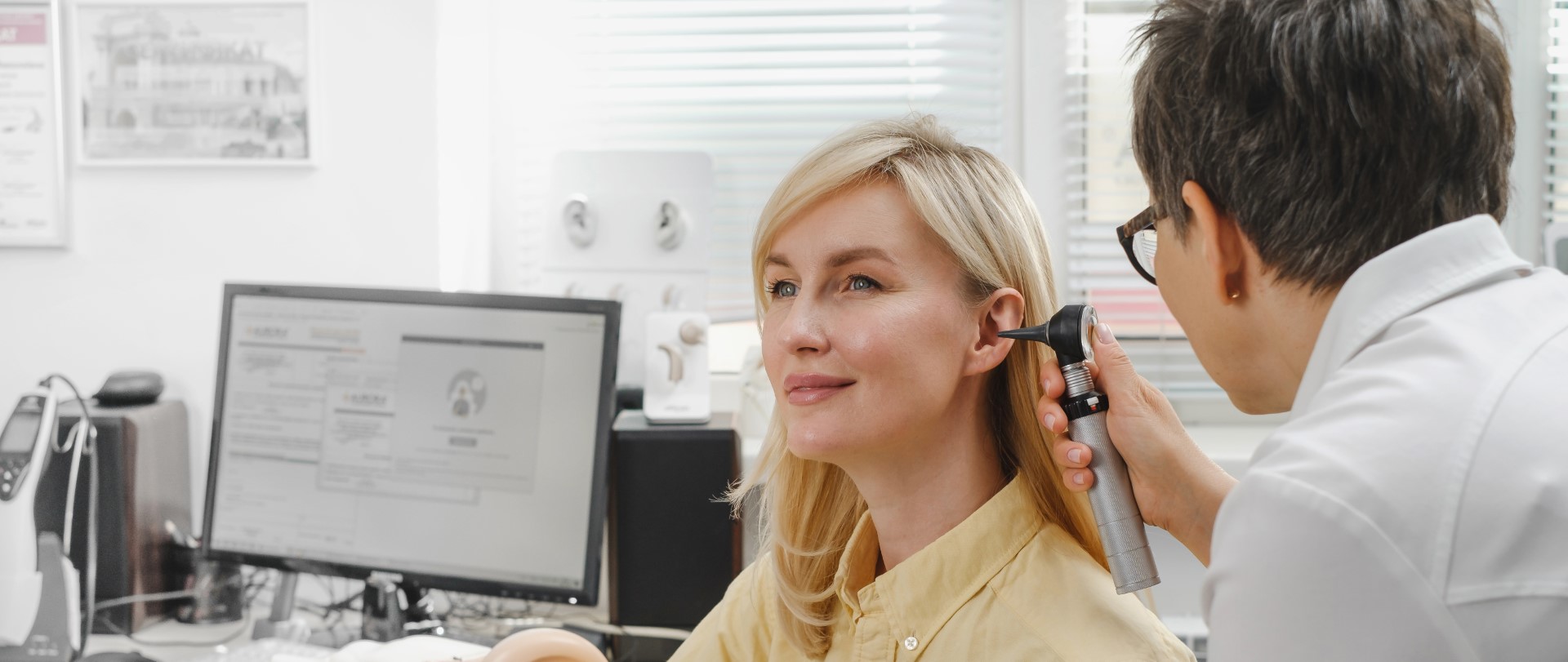
Scheduling a professional hearing consultation is a proactive step toward reclaiming the ability to:
•Engage fully in conversations with family and friends.
•Enjoy the nuances of music and entertainment at safe and comfortable volumes.
•Appreciate the subtle and soothing sounds of the natural environment.
Taking action today is an investment in a future where these auditory experiences are cherished rather than missed.
Empowering Personal Well-being
While future medical and technological breakthroughs may one day fundamentally change how we manage sensory health, taking control of one’s hearing health remains an empowering step in the present. Rather than accepting hearing loss as an unalterable consequence of aging, individuals can approach it as an opportunity to prioritize their overall well-being.
The high prevalence of hearing loss among older adults is a clear call to action. By embracing available solutions and seeking professional consultations, individuals can ensure that the “symphony of life” continues to resonate clearly for years to come.
Conclusion
Identifying and addressing hearing loss early is vital for long-term health and social connectivity. Find out what sounds you may be missing by scheduling an appointment today for a comprehensive hearing consultation. Taking this step ensures that you remain an active participant in all of life’s meaningful moments.