
The Biological Function and Management of Earwax
Earwax, clinically known as cerumen, is often misunderstood as a sign of poor hygiene. In reality, it is a vital substance that plays a critical role in maintaining the health and integrity of the ear canal. Understanding its function and the ear’s natural self-cleaning process is essential for proper auditory care.
The Essential Role of Cerumen
Cerumen is a necessary component of a healthy ear canal. It is produced by two specialized glands: apocrine sweat glands and sebaceous (cerumen) glands. This substance serves several protective functions:
•Moisturization: Cerumen prevents the skin within the ear canal from becoming dry and itchy.
•Protection: By maintaining a healthy moisture balance, it reduces the risk of skin abrasions and infections that can occur from scratching.
•Defense: It acts as a barrier against dust, debris, and potential pathogens.
The Ear’s Natural Self-Cleaning Mechanism
The human ear is designed to regulate its own earwax levels through a process involving “migratory” skin cells. New skin cells form near the eardrum and gradually move outward toward the ear’s opening. As these cells migrate, they naturally carry cerumen and any trapped debris out of the ear canal. Under normal circumstances, this process ensures that earwax does not accumulate to the point of causing a blockage.
Understanding Earwax Impaction Risks
Because of the ear’s self-cleaning nature, true earwax impaction is relatively uncommon in the general population. However, certain groups are at a higher risk:
1.Elderly Individuals: Changes in the consistency of cerumen as we age can hinder the natural migration process.
2.Hearing Aid Users: Devices placed in the ear canal can occasionally obstruct the outward flow of wax.
3.Users of Cotton Swabs: Attempting to clean the ears with swabs often pushes wax deeper into the canal, leading to artificial impaction.
Best Practices for Ear Hygiene
It is strongly advised that individuals do not use cotton swabs or other objects to remove earwax. Such attempts typically remove only a small amount of wax from the outer canal while pushing the remainder further toward the eardrum, which can cause damage or impaction.
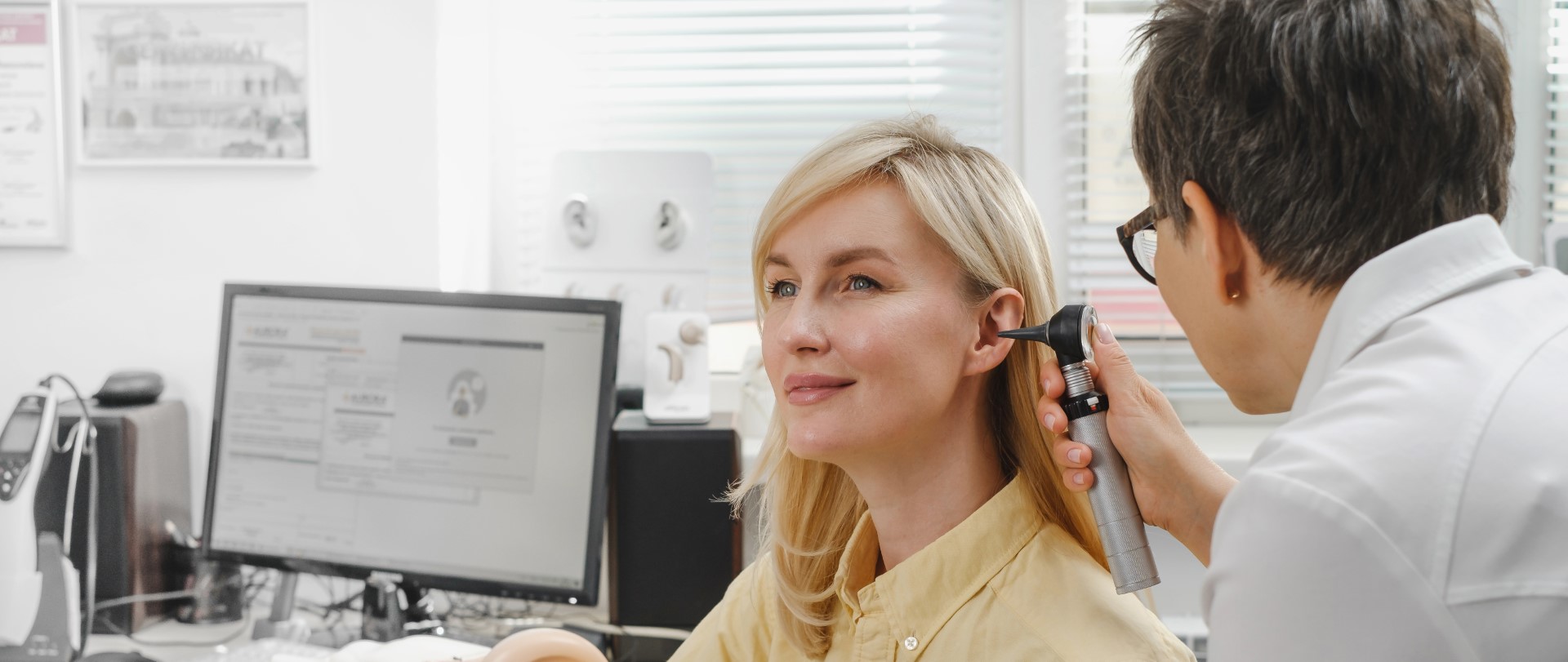
For most people, standard hygiene practices—such as gently wiping the outer ear with a clean cloth during a shower—are sufficient. If you suspect a significant buildup, the safest and most effective course of action is to visit a physician or a hearing healthcare professional. They can perform a visual inspection and utilize specialized tools to safely remove excess cerumen if necessary.
Distinguishing Between Earwax and Hearing Loss
It is common for individuals to attribute hearing difficulties to earwax buildup. However, professional evaluations often reveal that the underlying issue is sensorineural hearing loss related to the inner ear rather than a physical obstruction. Thousands of people each year discover that their perceived “wax problem” is actually a treatable hearing condition.
If you have concerns about your hearing or ear health, scheduling a professional hearing consultation is the most reliable way to receive an accurate diagnosis. A licensed professional can determine whether you require earwax removal or if you would benefit from advanced auditory technology. Maintaining regular checkups ensures your hearing remains clear and your ears remain healthy.