
Understanding and Preventing Noise-Induced Hearing Loss (NIHL)
Noise-induced hearing loss (NIHL) is unique in that it is the only form of hearing impairment that is entirely preventable. Exposure to excessively loud sounds can cause permanent damage to the delicate structures of the inner ear. While it may sometimes feel as though one is “adjusting” to high noise levels, the physiological reality is that the ears and brain are sustaining damage that cannot be reversed.
The Nature of Noise-Induced Damage
Hearing loss resulting from noise exposure is typically permanent. Unlike some other physical injuries, the auditory system does not recover once the sensory hair cells are damaged. NIHL often progresses gradually, meaning that by the time an individual notices a significant change in their hearing, substantial and irreversible damage may have already occurred.
Ten Essential Strategies for Hearing Protection
Proactive management of noise exposure is the most effective way to safeguard auditory health. The following strategies are recommended for individuals of all ages:
1.Avoid Excessive Noise: Whenever possible, limit attendance at exceptionally loud events or participation in high-decibel activities.
2.Utilize Hearing Protection: When loud environments are unavoidable, use physical barriers. While foam earplugs are a common solution, custom-fit hearing protection products provide superior sound reduction and comfort.
3.Monitor Decibel Levels: Limit exposure to any sounds exceeding 85 dB, which is the threshold where damage can begin to occur over time.
4.Manage Volume Controls: Maintain televisions, radios, and personal audio devices at safe listening levels, particularly when using headphones or earbuds.
5.Incorporate Auditory Breaks: During prolonged exposure to loud music, concerts, or fitness classes, take regular breaks in quieter areas to rest the auditory system.
6.Maintain Distance from Sound Sources: Position yourself as far as possible from primary sound sources, such as speakers, fireworks, or sirens.
7.Allow for Auditory Recovery: Following exposure to significant noise, ensure your ears have ample time in a quiet environment to recover.
8.Practice Proper Ear Hygiene: Never insert small objects into the ear canal, including cotton swabs, bobby pins, or other items. These can cause physical damage or push debris deeper into the ear.
9.Support Cardiovascular Health: Regular exercise promotes healthy blood circulation throughout the body, including the ears, which is vital for maintaining the health of internal auditory structures.
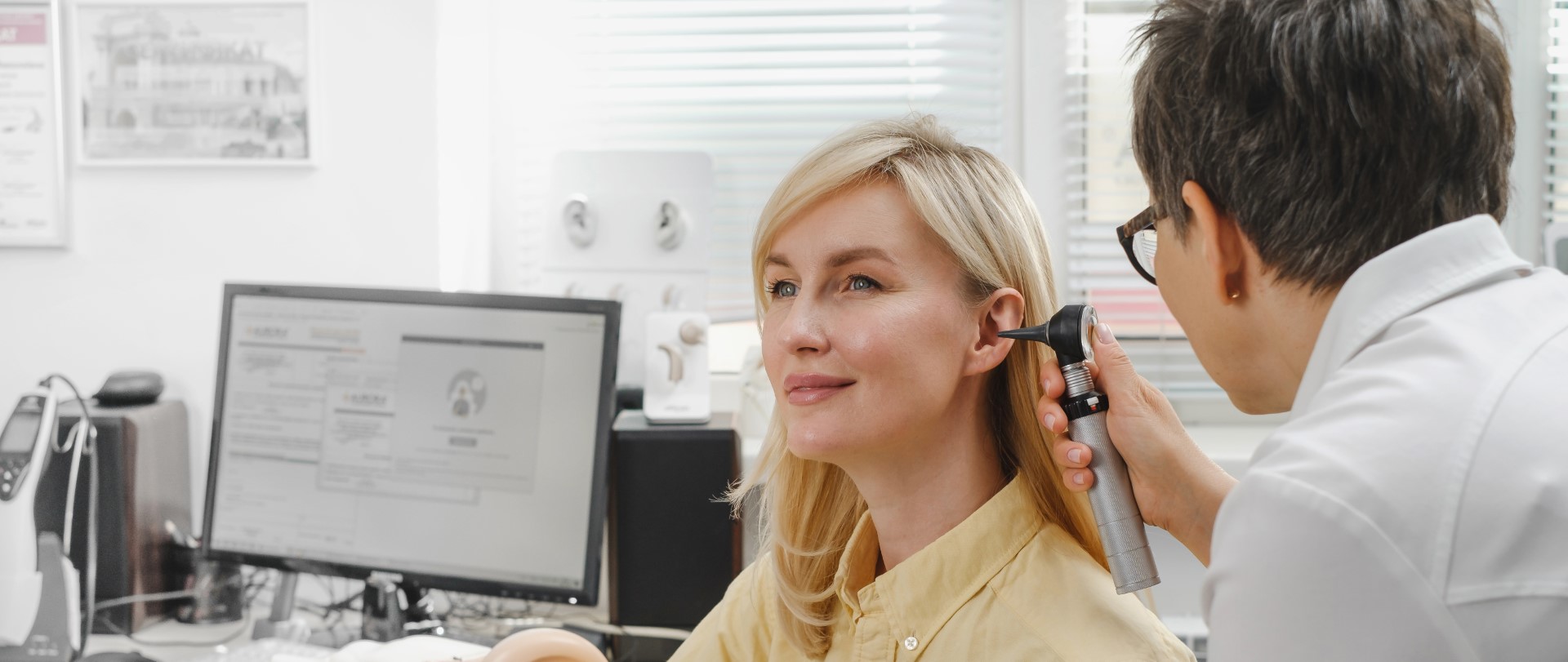
10.Prioritize Regular Testing: Schedule a professional hearing test, especially if you notice a change in your hearing or experience persistent ringing (tinnitus) or a sensation of fullness in the ears for more than 24 hours.
Taking Action for Long-Term Auditory Health
Recognizing the signs of hearing loss early is essential for effective management. If you suspect your hearing has been affected by noise or if you want to establish a baseline for your auditory health, schedule an appointment today for a comprehensive hearing consultation. Identifying potential issues early ensures you can continue to enjoy the full spectrum of sounds in your life while protecting your hearing for the future. Find out what noises you may be missing by consulting with a hearing care professional.