
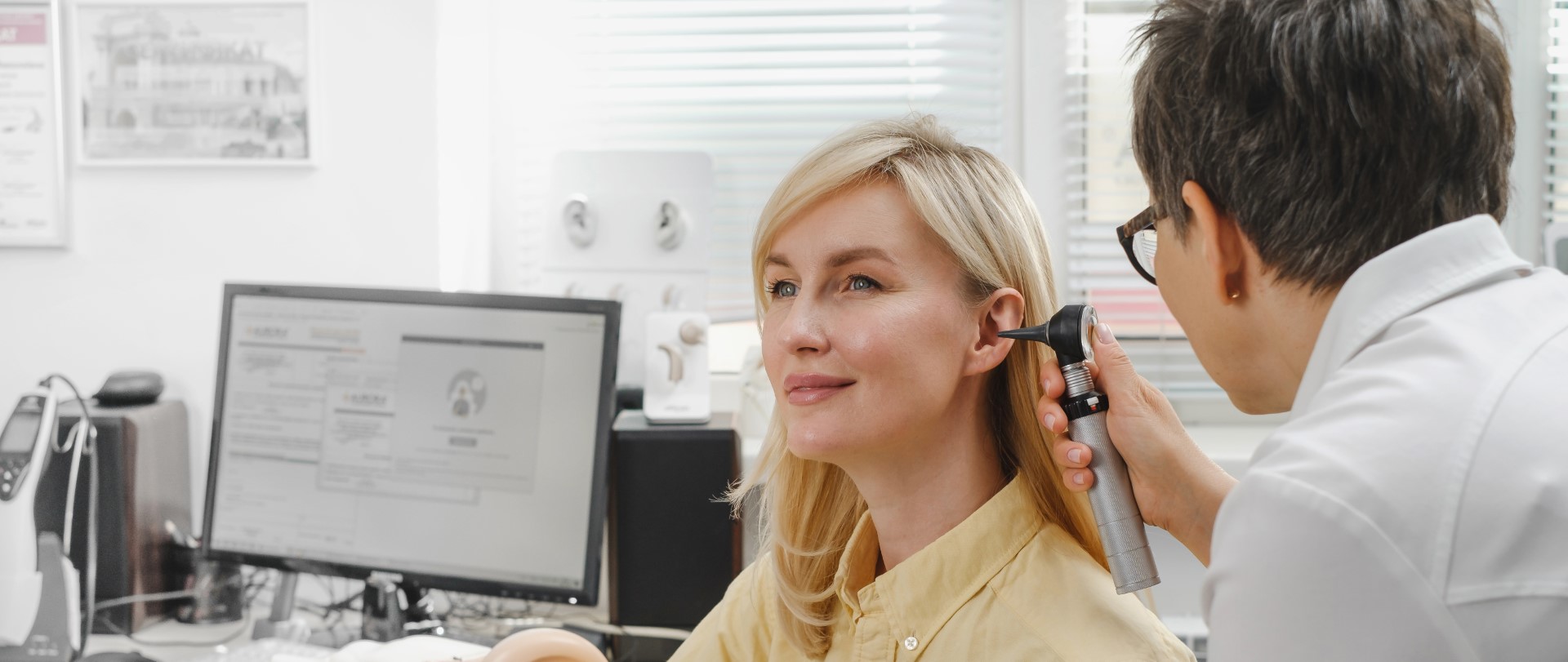
The Surprising Connection Between Hearing Loss and Balance
Balance is something many of us take for granted—until it becomes more difficult.
As we age, maintaining good balance becomes increasingly important for staying independent, active, and safe. According to the Centers for Disease Control and Prevention (CDC), one in four adults over age 65 experiences a fall each year, making fall prevention an important part of healthy aging.
One surprising factor that may increase fall risk is untreated hearing loss.
Research has shown that untreated hearing loss may increase the risk of falls by approximately 30%, and the more severe the hearing loss, the greater the risk may become.
So, what does hearing have to do with balance?
Your Inner Ear Helps Control Balance
Many people don’t realize that the ear plays two important roles: hearing and balance.
Deep inside the inner ear is the vestibular system, a network that works with your brain, eyes, muscles, and joints to help you understand your body’s position and maintain stability.
Whenever you move your head, the vestibular system sends signals to your brain that help you:
- Stay upright
- Maintain coordination
- Adjust your movements
- Keep your balance while walking or changing positions
Because the systems responsible for hearing and balance are located close together within the inner ear, problems affecting one system may also influence the other.
How Can Hearing Loss Affect Balance?
There are several ways hearing loss may contribute to balance challenges.
1. The Hearing and Balance Systems Are Connected
The cochlea, which is responsible for hearing, and the vestibular system share nearby structures, fluids, and neural pathways.
Damage to the inner ear that causes hearing loss may also affect balance-related functions, which helps explain why vestibular issues are more common among people with certain types of hearing loss.
2. Your Brain Has to Work Harder
When hearing becomes difficult, the brain must spend extra energy trying to understand sounds and conversations.
This increased mental effort—sometimes called cognitive load—may leave fewer resources available for other tasks, including maintaining balance and coordinating movement.
3. Reduced Awareness of Your Surroundings
Hearing helps us stay aware of the environment around us.
When hearing loss makes it harder to detect important sounds, we may be less aware of potential hazards such as approaching people, vehicles, alarms, or changes in our surroundings.
How Hearing Aids May Help
The good news is that treating hearing loss may support more than just better communication.
Studies have shown that hearing aid use is associated with improved awareness, increased confidence, and a reduced risk of falls for many people with hearing loss.
Today’s hearing technology can also include features designed to support overall wellness. Some advanced hearing aids connect with smartphone apps that offer health tools, including balance-related assessments and activity tracking.
Technology That Supports Healthy Aging
Modern hearing aids can do much more than amplify sound. Depending on the device, they may help you:
- Hear conversations more clearly
- Stay aware of your environment
- Track wellness activities
- Monitor movement and balance information
- Stay connected with family and caregivers
For example, some hearing aid apps include guided balance assessments that use built-in sensors to evaluate movement and provide helpful feedback about balance awareness.
These tools are not a replacement for medical care, but they can encourage greater awareness and help you take proactive steps toward maintaining your wellness.
Protect Your Hearing. Protect Your Independence.
Healthy aging means staying active, connected, and confident in your daily life.
If you’ve noticed changes in your hearing, difficulty following conversations, or concerns about your balance, a professional hearing evaluation is a great first step.
Our hearing care team can assess your hearing, answer your questions, and help you understand solutions that fit your lifestyle.
Schedule your hearing evaluation today and take an important step toward better hearing, better balance, and a healthier future.