
Understanding Earwax: Function, Hygiene, and Safe Removal Practices
Cerumen, more commonly known as earwax, is a vital component of auditory health. It serves as a natural defense mechanism by collecting dirt, debris, and bacteria, thereby preventing foreign bodies from entering the ear canal. Additionally, earwax provides essential lubrication to prevent dryness and itching, and its antifungal and antibacterial properties help protect against infections.
Natural Self-Cleaning and Proper Hygiene
For the majority of individuals, the ears are self-cleaning. Earwax typically migrates from the inner canal to the outer ear through natural jaw movements, such as speaking and chewing. Standard hygiene practices, such as wiping away excess water and wax from the external ear with a towel after bathing, are generally sufficient for maintaining ear cleanliness.
The Risks of Cotton Swabs
A common but incorrect practice is the use of cotton swabs to clean the internal ear canal. This can inadvertently push earwax deeper into the ear, leading to impaction and interfering with the eardrum’s ability to vibrate. Frequent use of swabs often exacerbates earwax issues rather than resolving them. Manufacturers of these products often include explicit warnings against inserting them into the ear canal due to the risk of injury and impaction.
Identifying Earwax Buildup
Due to variations in ear anatomy, some individuals are more prone to earwax accumulation. Common symptoms of excess earwax or impaction include:
•Difficulty hearing or a sensation of muffled sound.
•A feeling of fullness or persistent ringing (tinnitus) in the ears.
•Ear pain or discomfort.
•A noticeable odor or discharge from the ear.
•Episodes of dizziness.
Certain populations, such as older adults and individuals who wear hearing aids, are more susceptible to buildup. Hearing devices can physically obstruct the natural outward migration of wax, while the consistency of earwax tends to change with age, making it more likely to accumulate.
Professional and At-Home Removal Methods
If earwax buildup is suspected, professional consultation is the safest and most effective approach.
Professional Intervention
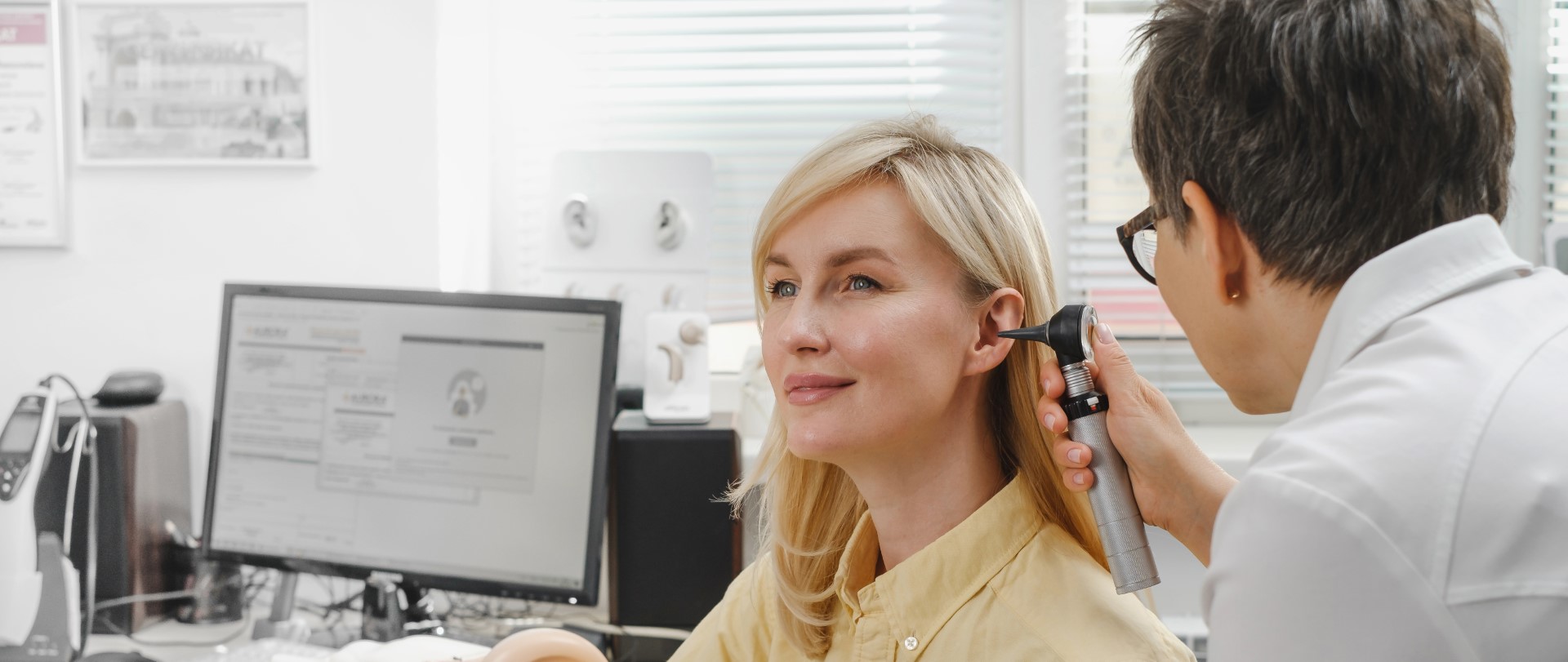
A physician or hearing care professional can examine the ear canal and perform safe removal using specialized techniques, such as water irrigation, suction, or a curette. For individuals prone to frequent buildup, regular professional cleanings may be recommended as a preventative measure.
Safe At-Home Practices
If opting for at-home removal, individuals should utilize safe, approved methods:
•Over-the-Counter Solutions: Pharmacies offer earwax removal kits and drops designed to soften wax for easier passage.
•Softening Agents: Small amounts of mineral oil, baby oil, or hydrogen peroxide can also be effective in softening wax, though caution should be exercised regarding the quantity used.
Essential Considerations and Precautions
Consulting a hearing professional is strongly advised before attempting any at-home treatment, particularly for individuals with specific health considerations. Those with diabetes, a history of ear infections, a suspected perforated eardrum, ear tubes, or a compromised immune system should exercise extreme caution and seek professional guidance first.
Prioritizing proper ear hygiene is a fundamental aspect of maintaining overall auditory health. If you are concerned about earwax or its impact on your hearing, schedule a consultation with a hearing care professional today to ensure your ears are healthy and functioning optimally.