
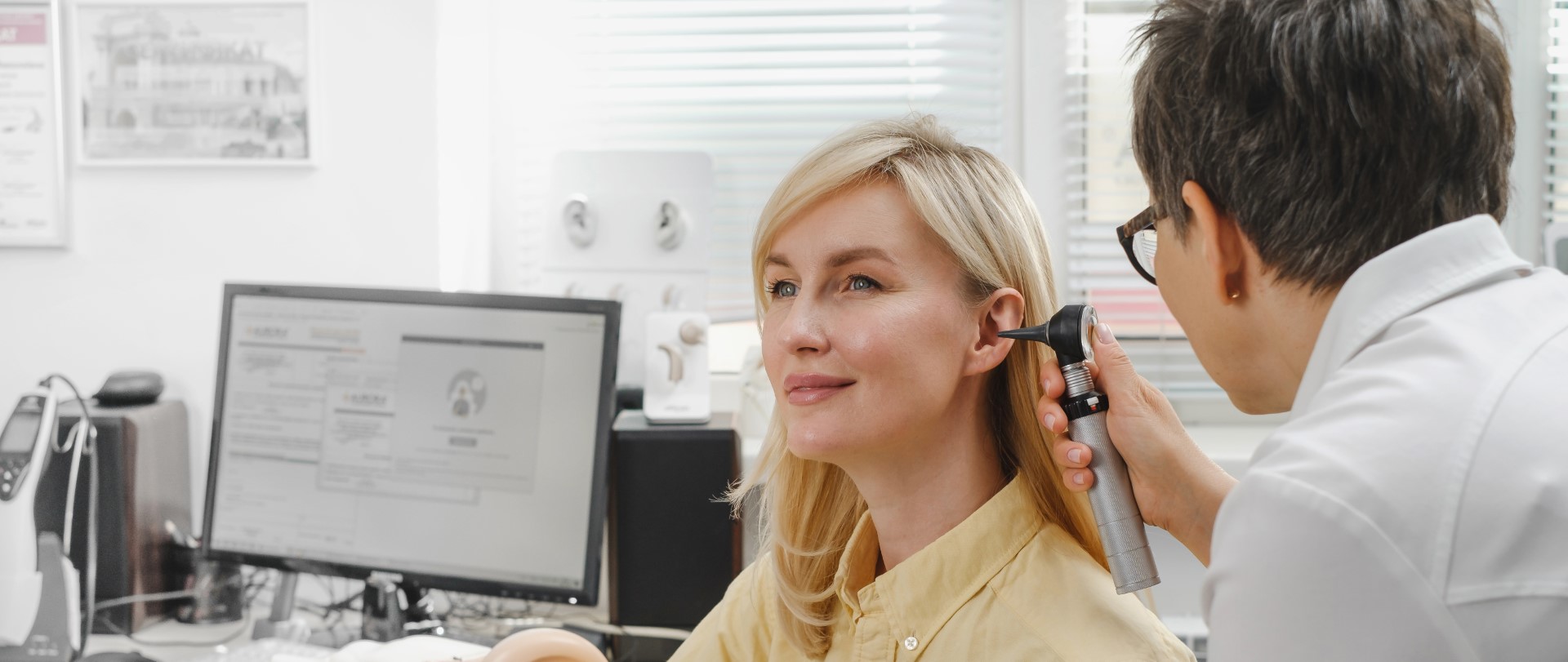
The Critical Relationship Between Hearing Health and Fall Prevention
Falls are a leading cause of injury among older adults, often resulting in significant medical consequences and a reduction in quality of life. Data from the Centers for Disease Control and Prevention (CDC) underscores the severity of this issue:
•Approximately 25 percent of individuals over the age of 65 experience a fall each year.
•Annual emergency room visits related to falls among older adults exceed three million.
•One in five falls results in a serious injury, such as a fracture or traumatic brain injury.
•The economic impact is substantial, with medical costs related to falls exceeding $50 billion annually.
While factors such as physical weakness, medication side effects, and vision impairment are well-known contributors to fall risk, untreated hearing loss has also been identified as a significant factor.
Scientific Evidence Linking Hearing Loss to Fall Risk
Research conducted at Johns Hopkins Medicine demonstrated that individuals with even mild hearing loss are nearly three times more likely to have a history of falling compared to those with normal hearing. This correlation is attributed to several factors, including reduced environmental awareness and the increased cognitive load required to process sound, which can detract from the brain’s ability to maintain balance and gait.
The Preventative Benefits of Hearing Intervention
Clinical studies suggest that addressing hearing loss can be a highly effective strategy for improving balance and reducing fall risk. A study from the Washington University School of Medicine found that enhancing auditory input directly improved balance in older adults. Furthermore, a 2019 clinical investigation confirmed that the consistent use of hearing aids is associated with a significantly lower risk of falls.
Advanced Safety Features in Modern Hearing Technology
Modern hearing aids provide more than just improved auditory clarity; they also offer integrated safety solutions. Starkey’s Evolv AI hearing aids are uniquely designed with built-in sensors capable of detecting a fall. In the event of a fall, the device can automatically send an alert to a designated family member or caregiver, providing critical peace of mind and ensuring a rapid response in an emergency.
Prioritizing Your Safety Through Better Hearing
Managing your hearing health is a proactive step toward maintaining your independence and physical safety. By improving your auditory awareness and utilizing advanced safety features, you can significantly reduce your risk of injury.
If you have concerns about your balance or are noticing changes in your hearing, a professional evaluation is an essential next step. Schedule an appointment today for a comprehensive hearing consultation to explore how modern technology can support your well-being. Find out what sounds you may be missing and take a vital step toward a safer and more active future.