Navigating the Prevalence and Management of Age-Related Hearing Loss
As individuals age, certain physiological changes are considered a natural part of the aging process. Among these, changes in auditory function are exceptionally common. Understanding the prevalence of age-related hearing loss and the strategies for managing it is essential for maintaining a high quality of life into one’s senior years.
The Statistical Reality of Auditory Aging
Research indicates that a significant majority of older adults experience some degree of auditory impairment. Specifically, more than two-thirds of adults aged 70 and older have clinically meaningful hearing loss. These statistics suggest that for most individuals in this demographic, experiencing changes in hearing is a statistical probability rather than an exception.
Strategies for Preservation and Management
While age-related hearing loss is common, it is not something that must be accepted without intervention. Proactive steps can be taken to both prolong auditory health and effectively manage changes when they occur.
Proactive Preservation
Adhering to simple hearing protection practices throughout life is the most effective way to preserve auditory function. Reducing exposure to loud noises and utilizing protective gear in noisy environments can significantly delay the onset or minimize the severity of hearing loss as one ages.
Effective Management with Modern Technology
When hearing loss does occur, modern hearing aids are the recommended solution for management. These devices are designed to restore clarity and facilitate easier communication, ensuring that individuals can remain engaged with their families, friends, and hobbies.
The Broader Health Benefits of Early Treatment
Beyond improving immediate communication, treating hearing loss early has significant long-term health implications. Experts increasingly believe that addressing auditory impairment in its early stages may help prevent or delay cognitive decline—another common concern associated with aging. By maintaining a high level of auditory stimulation, individuals can support their overall brain health and physical independence.
Prioritizing Your Auditory Health
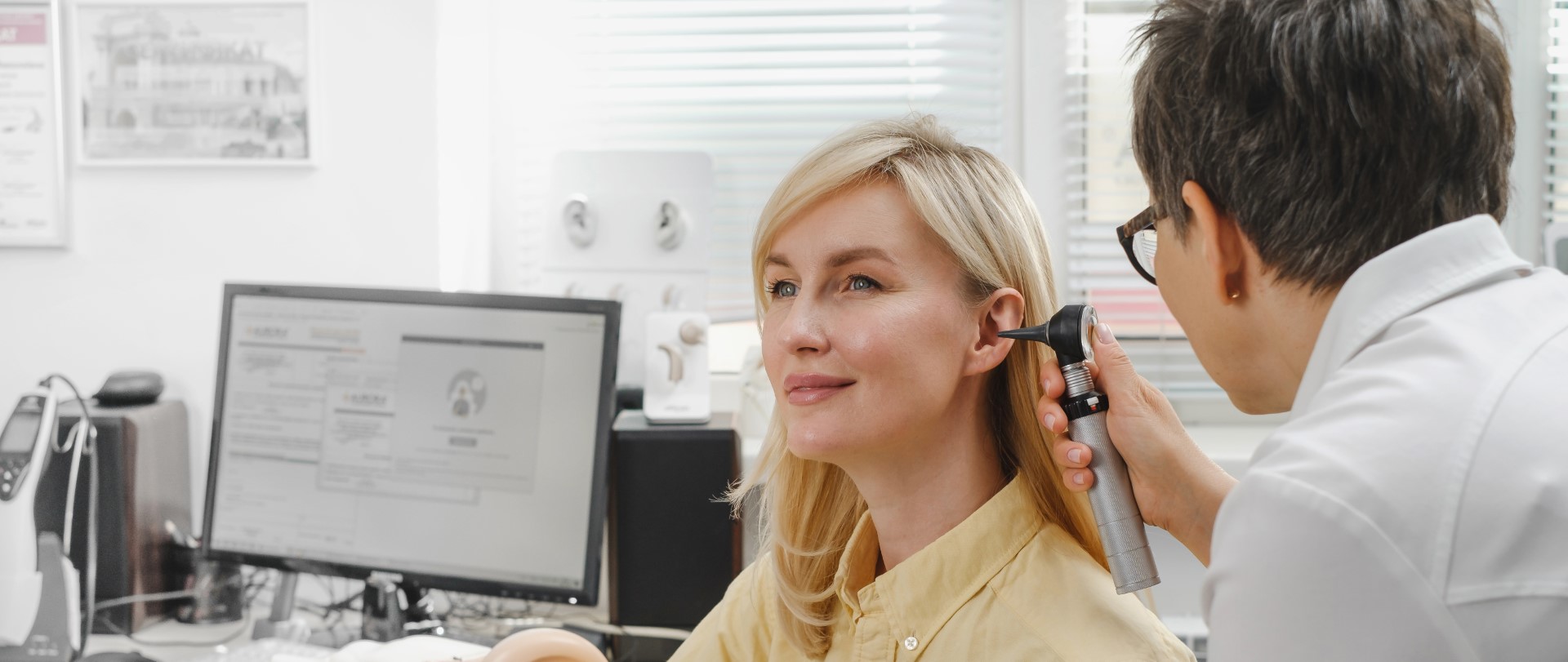
Recognizing the signs of hearing loss and seeking professional guidance is a vital component of healthy aging. If you have noticed changes in your hearing, a professional evaluation is an essential next step for ensuring you can continue to enjoy the full spectrum of sounds that life has to offer.
Schedule a professional hearing consultation today for a comprehensive evaluation and to discuss the best strategies for managing your auditory health. Find out what sounds you may be missing by consulting with a licensed hearing care professional.