
Strategies for Preventing Noise-Induced Hearing Loss in a Digital Age
Exposure to loud noise is the second leading cause of hearing loss globally, following the natural aging process. Unlike aging or hereditary factors, noise-induced hearing loss (NIHL) is highly preventable. While society has made significant strides in prioritizing hearing protection in industrial and occupational settings, the widespread use of personal audio devices presents new challenges for auditory health.
The Evolution of Hearing Protection
In previous decades, hearing protection was often overlooked in noisy environments. Today, however, the use of earplugs, earmuffs, and other protective measures is standard and frequently mandatory in construction, manufacturing, and other high-noise industries. This shift reflects a broader understanding of the permanent damage that loud sounds can inflict on the auditory system.
Safe Listening Practices for Personal Audio Devices
The ubiquitous nature of headphones and earbuds means that many individuals are exposed to audio content for extended periods throughout the day. While these devices offer convenience, their improper use can lead to significant hearing damage. Experts emphasize that the key to safe listening is balancing volume intensity with the duration of exposure.
The 80/90 Rule
Audiologists, including those at the Cleveland Clinic, recommend a general guideline for safe headphone use: listening at no more than 80 percent of the maximum volume for a maximum of 90 minutes at a time. This balance helps prevent the overstimulation and subsequent damage of the sensitive hair cells in the inner ear.
The Impact of Device Selection
The type of audio equipment used can also influence listening habits. Earbuds that fit loosely in the ear canal often allow ambient noise to enter, leading users to increase the volume to compensate. In contrast, over-the-ear or noise-canceling headphones provide a better seal against environmental sounds, making it easier to listen at safer, lower volume levels.
Global Risks and Proactive Management
The World Health Organization (WHO) estimates that approximately 1.1 billion teenagers and young adults are at risk of hearing loss due to the unsafe use of personal audio devices and exposure to loud recreational sounds. Being mindful of volume levels and taking regular listening breaks are essential strategies for avoiding permanent auditory damage.
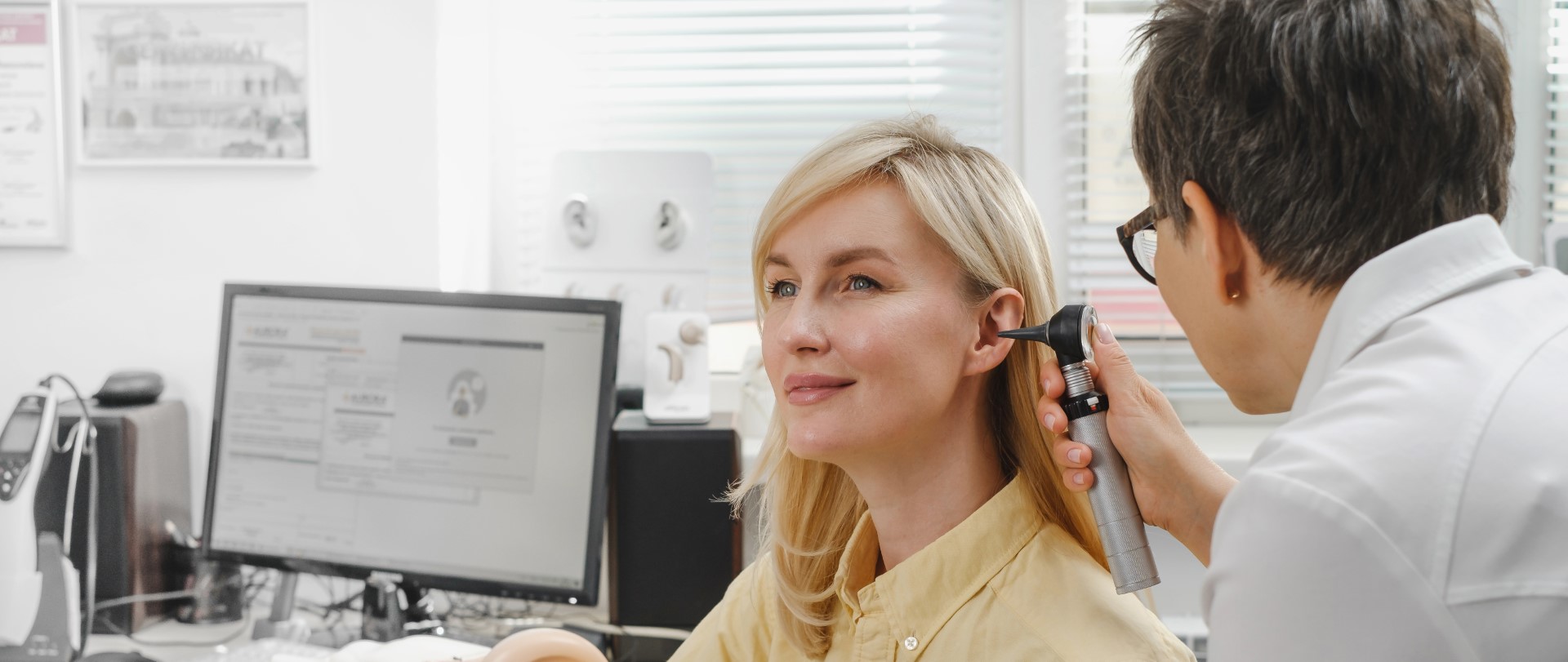
Maintaining your hearing health is a lifelong commitment. If you are concerned about your noise exposure or have noticed changes in your hearing, a professional evaluation is an important next step. Schedule an appointment today for a comprehensive hearing consultation to assess your auditory health and discuss the best protection strategies for your lifestyle. Find out what sounds you may be missing by consulting with a licensed hearing care professional.